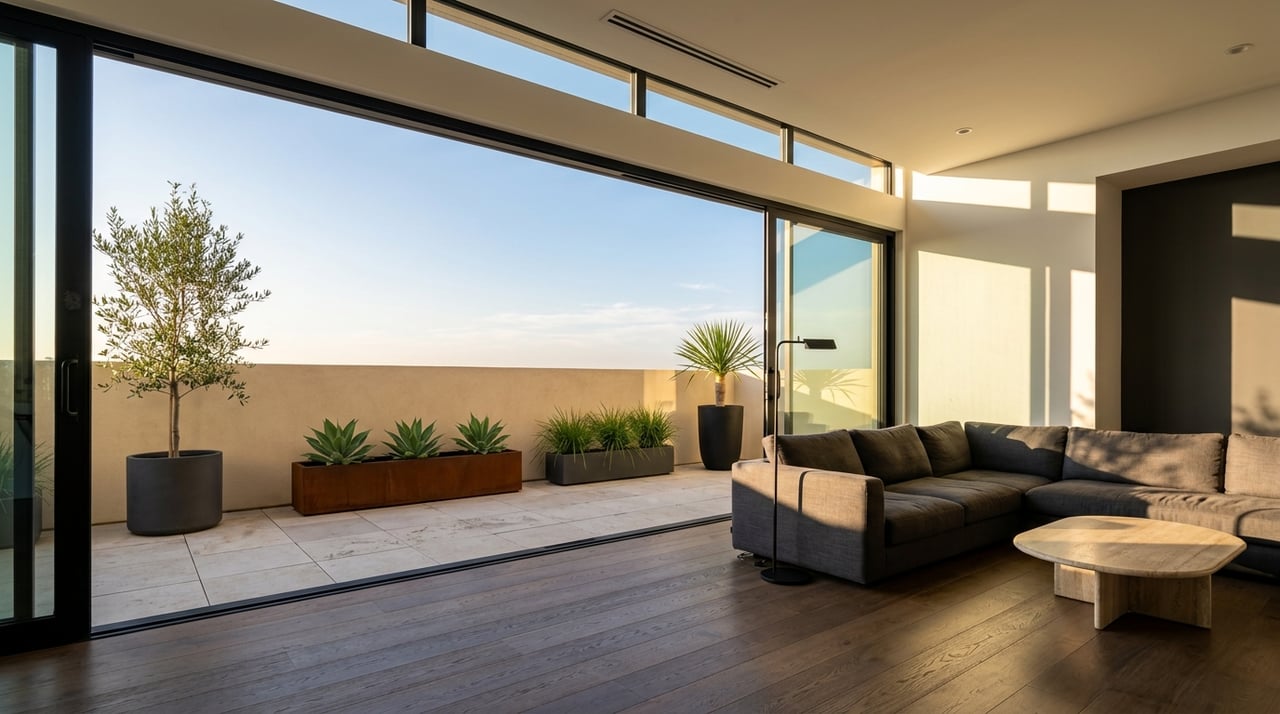
If you have looked at a few homes in La Jolla and thought, “These do not feel like the same neighborhood,” you are not imagining it. La Jolla is a coastal community with distinct micro neighborhoods, different housing patterns, and a wide mix of architectural styles, all shaped by the land, the coastline, and decades of planning. If you want to understand where a classic cottage fits, where a view-oriented modern home is more common, and which area best matches your lifestyle, this guide will help you sort it out. Let’s dive in.
Why La Jolla Feels So Different Block to Block
La Jolla is a primarily residential coastal community of about 5,718 acres on the western edge of San Diego’s north coastal region. The City of San Diego describes it as a place shaped by ocean bluffs, beaches, steep canyons, hillsides, and Mount Soledad.
That geography matters because La Jolla is about 99 percent built out. In practical terms, that means you are often choosing among established homes, remodels, condo infill, and custom properties in mature pockets, rather than large new subdivisions with one consistent look.
The city and local planning groups often frame La Jolla around three main anchors: the Village, the Shores, and Bird Rock. Beyond those, inland hillside pockets add another layer, with different lot patterns, home forms, and overall feel.
The Village: Walkable And Historic
The Village is La Jolla’s historic core and most walkable commercial center. It is defined as the area within Prospect Street, Girard Avenue, and Torrey Pines Road, and it remains the heart of La Jolla’s historic and pedestrian-oriented activity.
For buyers, the Village usually means a tradeoff. You often get less land, but stronger access to shops, dining, and coastal landmarks, along with a housing mix shaped by decades of evolution.
What homes in the Village often look like
The Village began with small single-family summer cottages near the coast and within the downtown core. Over time, it evolved into a denser coastal area with cottages, bungalows, hotel and apartment development, and later smaller-scale luxury condominium infill.
That history still shows up in the housing stock. Depending on the block, you may find:
- Older cottages and bungalow-style homes
- Low-rise residential buildings
- Condominiums with a more compact footprint
- A mix of historic character and updated coastal finishes
Who the Village fits best
The Village often appeals to buyers who want daily convenience and a central coastal setting. If you care more about walkability, dining access, and being close to La Jolla’s historic core than having a large lot, this area tends to stand out.
It can also appeal to buyers who like a lock-and-leave lifestyle, especially where condominium options are available. The tradeoff is that privacy, lot size, and garage-forward living are usually less of the story here than in inland pockets.
La Jolla Shores: Beach-Centric And More Regulated
La Jolla Shores is one of the clearest examples of a planned, ocean-oriented residential district in the community. It is primarily single-family residential, with a design framework that encourages a relatively consistent neighborhood character.
If you want beach access and a more coordinated design language, the Shores often becomes a natural focus. It also stands out for having some of the strongest design controls in La Jolla because of its planned district and design manual.
What homes in La Jolla Shores often look like
According to the La Jolla Shores design manual, a typical home in the area often features:
- Extensive glass
- Shake or shingle overhanging roofs
- A low, rambling silhouette
- Patios or courtyards
- Spanish or Mediterranean influences
The area also allows a compact commercial district and some hotels, motels, apartments, and multiple-family units. At the same time, the planning framework discourages out-of-scale high-rises and drive-through development, which helps preserve the district’s lower-profile coastal feel.
Who La Jolla Shores fits best
The Shores is often a strong fit if your priority is beach proximity, a primarily single-family setting, and a neighborhood with a more managed visual identity. Buyers who value a consistent coastal atmosphere often find this area easier to understand than parts of La Jolla with a more varied street-by-street pattern.
It can also suit buyers who want a residential environment that feels distinct from the denser Village core. While no two homes are exactly alike, the planning structure here gives the area a more uniform rhythm.
Bird Rock: Neighborhood Feel With Local Commercial Pockets
Bird Rock sits at the south end of the coastal community and is often described as a seaside, neighborhood-scale district. It does not function exactly like the Village, and it does not read like a pure coastal estate zone either.
Instead, Bird Rock blends predominantly single-family residential streets with small commercial and mixed-use pockets, especially near La Jolla Boulevard. That combination gives it a distinct identity within La Jolla.
What homes in Bird Rock often look like
Planning and historical sources describe Bird Rock as predominantly single-family, with some condo-style residential over retail in commercial and mixed-use sections. In simple terms, you are likely to see neighborhood homes as the dominant pattern, with more mixed-use activity near the boulevard corridors.
That makes Bird Rock useful to think of as a hybrid. It offers a neighborhood residential feel, but not in a way that completely separates homes from nearby commercial activity.
Who Bird Rock fits best
Bird Rock often fits buyers who want a residential setting with some local-serving commercial convenience nearby. If you like the idea of a coastal neighborhood that feels established and human-scaled, this area may deserve a closer look.
Outside the commercial corridors, much of Bird Rock can also align with buyers looking for single-family homes rather than a condo-heavy environment. It is less about a polished downtown feel and more about a neighborhood blend.
Inland Hillsides: Privacy, Views, And Custom Character
Move away from the flatter coastal stretches and La Jolla shifts into a hillside and canyon landscape. The city highlights the area’s steep canyons and hillsides, and those physical features shape how homes sit on their lots and how streets feel from one pocket to the next.
This is where La Jolla often becomes more terrain-driven. Compared with the coast, inland hillside pockets tend to skew toward larger-lot single-family homes, more privacy, and a stronger driveway-and-garage presence, along with more custom or remodeled postwar housing.
What homes in inland La Jolla often look like
Historical and planning sources point to several recurring building traditions across these inland areas, including:
- 1920s Spanish Revival influences
- California Ranch homes
- Midcentury modern homes
- Custom modern remodels or newer interpretations
These homes often respond to topography, privacy, and view opportunities in a way that differs from the flatter coastal core. If you want a home that feels more site-specific, inland pockets may offer more of that character.
Who inland hillside pockets fit best
These areas often appeal to buyers who prioritize space, privacy, and a more custom residential feel. If you want a larger lot or a home shaped by hillside views and elevation, inland La Jolla may offer a better match than the Village.
This is also where design-aware buyers often find more variety in ranch, midcentury, and contemporary homes. The setting naturally creates a broader range of forms than the more tightly defined beach and village environments.
The Home Styles You Will See Most Often
La Jolla is not defined by one single architectural style. Instead, its style mix reflects its history as a coastal resort community, a hillside residential area, and a place where infill and renovation continue to shape the market.
Across the community, the recurring vocabulary includes:
- Arts & Crafts bungalow
- Beach cottage
- Spanish Colonial Revival
- Mediterranean
- California Ranch
- Midcentury modern
- Contemporary coastal modern
- More expressive postwar modern designs
How style connects to location
The easiest way to understand La Jolla architecture is to connect style to setting. In the flatter coastal areas, you are more likely to see historic cottages, bungalows, compact luxury infill, and low-rise mixed-use product.
In the slopes and inland pockets, ranch homes, midcentury properties, and custom modern homes become more common because they respond well to views, grade changes, and larger residential sites. This is not a hard rule, but it is a helpful way to read the area.
How La Jolla Compares To San Diego Overall
La Jolla is its own coastal submarket, and the numbers help show why. In March 2026, Redfin reported a La Jolla median sale price of $2,406,500, compared with $950,000 for San Diego city overall.
Zillow’s March 31, 2026 home value index put La Jolla at $2,431,191 versus $1,001,265 for San Diego overall. On current value metrics, that places La Jolla at roughly 2.5 times the citywide level.
Redfin also showed La Jolla taking longer to sell on average than San Diego city overall. That supports what many buyers already sense on the ground: La Jolla tends to behave like a more selective, supply-constrained coastal market.
How To Choose The Right La Jolla Micro Neighborhood
If you are trying to narrow your search, it helps to think lifestyle first. In La Jolla, where you live often shapes your day-to-day experience as much as the square footage does.
Here is a simple way to compare the main areas:
| Area | Best known for | Typical housing pattern |
|---|---|---|
| The Village | Walkability and historic core | Cottages, bungalows, condos, denser infill |
| La Jolla Shores | Beach access and design controls | Primarily single-family homes with a cohesive coastal feel |
| Bird Rock | Neighborhood feel with local commercial pockets | Mostly single-family homes with some mixed-use areas |
| Inland hillsides | Privacy, larger lots, and views | Single-family homes, ranch, midcentury, and custom homes |
A clear neighborhood strategy can save you time. If you know whether you want walkability, beach proximity, a neighborhood-commercial blend, or a more private hillside setting, you can search with more focus and fewer false starts.
The right fit is rarely just about price or style in isolation. It is about how the home, the lot, and the micro neighborhood work together for the way you want to live.
La Jolla rewards a detailed, block-by-block approach. If you want help comparing the Village, the Shores, Bird Rock, or inland hillside options, The Quesada Group can help you assess the nuances, identify the right fit, and navigate opportunities with a calm, strategic plan.
FAQs
Which La Jolla area is the most walkable and historic?
- The Village is widely recognized as La Jolla’s most walkable and historic core.
Which La Jolla area is the most beach-centric?
- La Jolla Shores is the most beach-centric area and is known for its planned, ocean-oriented residential character.
Which La Jolla neighborhood has the strongest design controls?
- La Jolla Shores has the strongest design controls because it operates within a planned district and design manual.
Which La Jolla area blends homes with small commercial pockets?
- Bird Rock is the area most associated with a blend of residential streets and small commercial or mixed-use pockets.
Which parts of La Jolla feel more like larger-lot single-family neighborhoods?
- Inland hillside pockets, along with much of La Jolla Shores and Bird Rock outside the commercial corridors, are most likely to feel like larger-lot single-family neighborhoods.
What architectural styles are common in La Jolla homes?
- Common La Jolla home styles include Arts & Crafts bungalow, beach cottage, Spanish Colonial Revival, Mediterranean, California Ranch, midcentury modern, and contemporary coastal modern.